

💎 Let's Talk Gemstone Care!
Have you ever received gemstone-care advice that sounded convincing, only to discover that it wasn't suitable for your particular stone?
From cleaning gemstones with household products to assuming that every gemstone can withstand heat, water, or ultrasonic cleaning, there are many common misconceptions about how to care for precious and semi-precious stones.
The truth is that every gemstone has its own characteristics, vulnerabilities, and care requirements. What works perfectly for a diamond might damage a softer, treated, fractured, or more delicate gemstone.
For example, some people believe that soaking every gemstone in water is harmless. Others assume that sunlight is an excellent way to clean or recharge all stones. Some even recommend using toothpaste, alcohol, vinegar, or strong household cleaners to restore a gemstone's shine.
But are these methods really safe?
🔍 Five Common Gemstone-Care Misconceptions
1. "All gemstones can be cleaned the same way."
Not necessarily! Warm water, mild soap, and a soft brush may be suitable for many durable gemstones, but other stones require more careful handling. Porous materials, treated gemstones, stones with fractures, and certain organic gems may react poorly to particular cleaning methods.
2. "If a gemstone is hard, it cannot be damaged easily."
Hardness measures resistance to scratching, not overall toughness. A hard gemstone can still chip, fracture, or break if struck in the wrong place. Even diamonds, which are extremely hard, can suffer damage.
3. "Ultrasonic cleaners are safe for every gemstone."
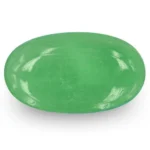
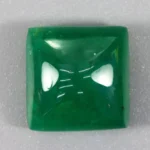
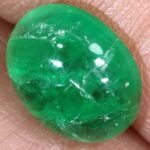
This is a common mistake. Vibrations can worsen existing fractures or damage certain treated or delicate stones. Emeralds, for example, often require special care because they may contain natural inclusions and fractures, sometimes accompanied by fracture-filling treatments.
4. "Leaving gemstones in direct sunlight is always beneficial."
Not every gemstone tolerates prolonged exposure to strong sunlight. Some coloured stones can fade over time, while heat may create additional risks. Amethyst and rose quartz, for instance, can be sensitive to prolonged light exposure under certain conditions.
5. "Household cleaning products make gemstones sparkle like new."
Toothpaste, bleach, vinegar, abrasive powders, and other household products are not universally safe. They may scratch softer materials, affect surface finishes, damage certain treatments, or harm the metal settings around a gemstone.
💬 Now It's Your Turn!
We would love to hear your thoughts and experiences.
What gemstone-care advice have you heard that you believe is misleading or misunderstood?
Have you ever accidentally damaged a gemstone or piece of jewellery by following the wrong advice?
Which gemstones do you think require the most careful maintenance?
Do you prefer professional cleaning or caring for your gemstones at home?
What is the single most important care tip every new gemstone collector should know?
If you are a gemologist, jewellery maker, experienced collector, or gemstone enthusiast, please share your knowledge and help others avoid common mistakes.
Let's keep the conversation respectful, informative, and useful for everyone. If you share a particular cleaning method, please mention the gemstone involved and whether it has been treated, if known.
💚 At GemsVault, we believe that understanding your gemstones is an important part of appreciating and preserving their beauty.
What is the biggest gemstone-care myth you would like to see corrected? Join the discussion below!