

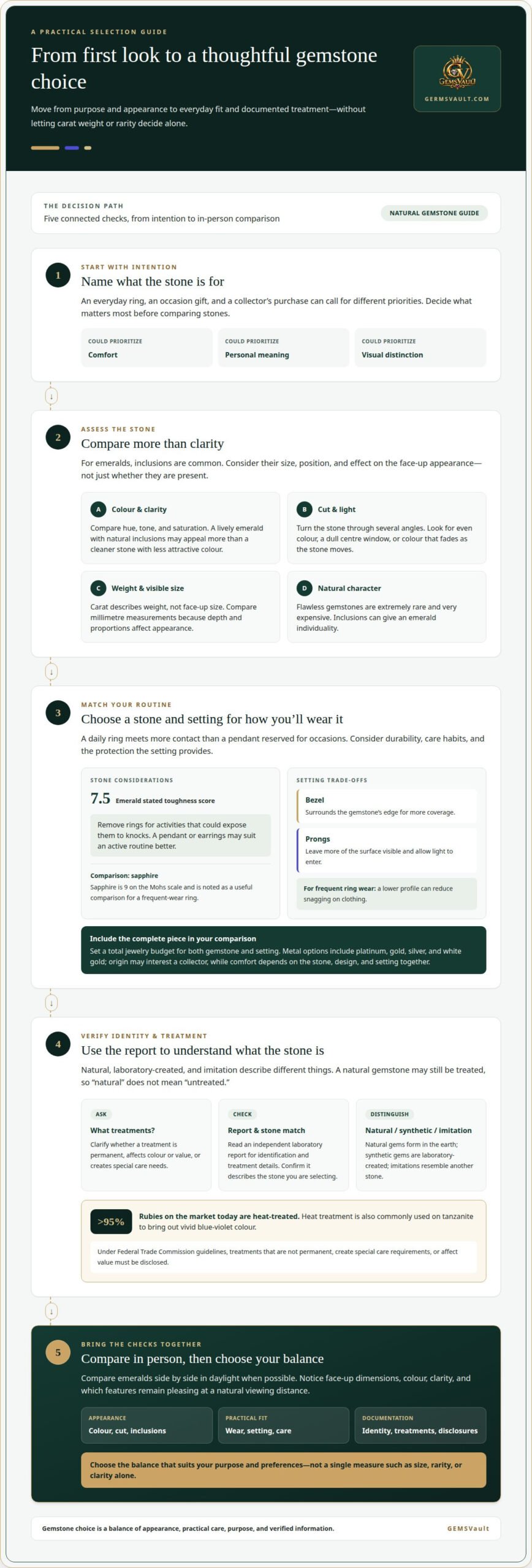
To understand how to choose a natural gemstone, start with colour and clarity, then consider how often you’ll wear it, which setting suits your routine, and what its report says about treatments. The right choice balances beauty with practical care rather than relying on size or rarity alone. Your purpose matters too: a stone for an everyday ring may call for different priorities than one chosen for a collection.
A gemstone’s natural character is part of its appeal, and inclusions can tell part of its story rather than signal a flaw. What matters is how the stone looks to you and whether its qualities suit the way you plan to wear, display, or collect it.
This guide explains how to assess clarity, match a gemstone and setting to your lifestyle, and read reports for treatment details. It also considers purpose, so you can choose thoughtfully, whether you’re drawn to a particular colour, a meaningful occasion, or the pleasure of collecting.
Key Takeaways
- Judge clarity in context: inclusions can be part of a gemstone’s natural character, and their position matters as much as their presence.
- Match the stone and setting to how often and where you plan to wear it, balancing visual appeal with practical care.
- Use a laboratory report to distinguish natural, treated, and synthetic stones, and understand how treatment may affect care.
- Start with the purpose behind your choice, then compare colour, cut, and character to find a stone that feels right for you.
Clarity and inclusions
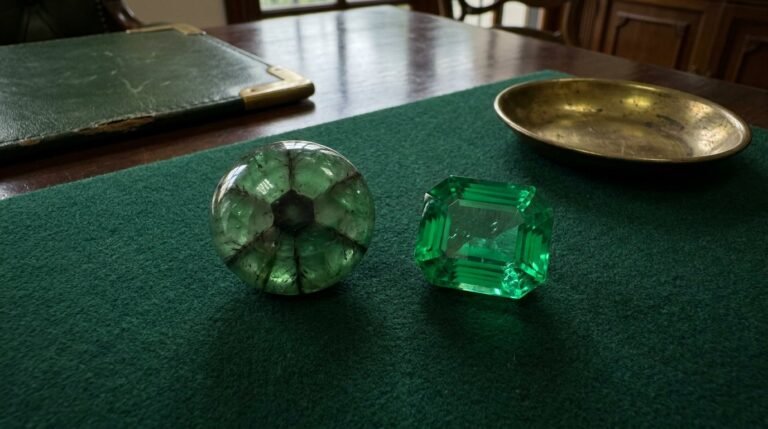
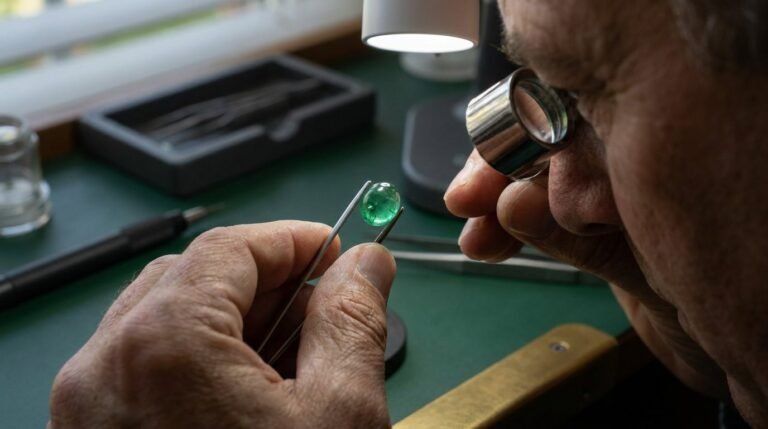
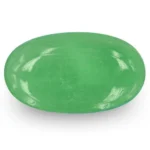
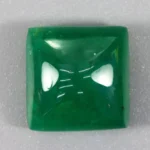
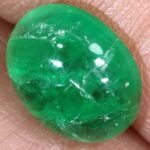
- To understand how to choose a natural gemstone, inspect the emerald’s inclusions in good light. Small internal features are common in emeralds and can reflect natural growth. Notice whether they interrupt the face-up appearance or sit near an edge. Their size, position, and effect on the stone matter more than their mere presence.
- Assess colour before treating clarity as the sole measure of quality. Compare hue, tone, and saturation, looking for green that appeals to you and feels balanced rather than too pale or dark. Colour is a major consideration in coloured stones. A lively emerald with natural inclusions may be more appealing than a cleaner stone with less attractive colour.
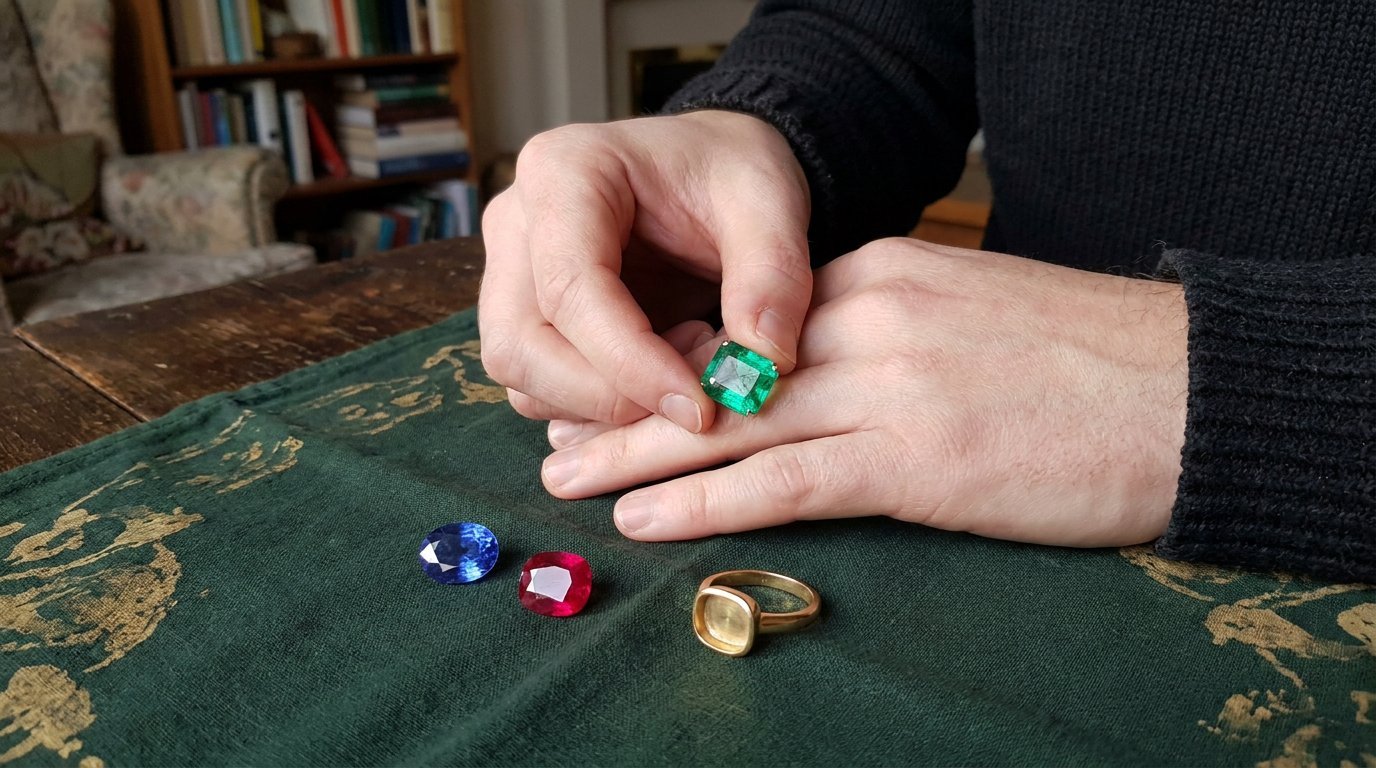
- Turn the stone and observe how its cut handles light. A well-cut emerald can show even colour and make inclusions less noticeable. A dull window in the centre may let light pass through instead of reflecting it back to your eye. Check several angles; colour that fades as you move the stone may indicate a cut that does not suit its material.
- Compare carat weight with measurements in millimetres. Carat describes weight, not visible size from above, because depth and proportions affect a stone’s appearance. A practical part of how to choose a natural gemstone is comparing emeralds side by side, noting face-up dimensions, colour, and clarity rather than letting weight alone decide.
- Choose the balance that suits your purpose and preferences. Flawless gemstones are extremely rare and very expensive, while inclusions can give an emerald individuality. Compare stones in daylight when possible, then decide which features remain pleasing at a natural viewing distance. Two emeralds with similar paperwork can look entirely different in person.
Choosing a gemstone and setting for your lifestyle
- Begin with how and when you’ll wear the jewelry. A ring worn daily meets more contact than a pendant reserved for occasions, so consider your routines before choosing an emerald. The gemstone’s durability and hardness influence how it may hold up over time. Sapphire, at 9 on the Mohs scale, is a useful comparison for a frequent-wear ring.
- Match the stone to the care you’re comfortable giving it. Emerald gemstone care and treatments are especially relevant given emeralds’ stated toughness score of 7.5 and the importance of setting and wear habits. Remove a ring for activities that could expose it to knocks, and consider whether a pendant or earrings would better suit an active routine.
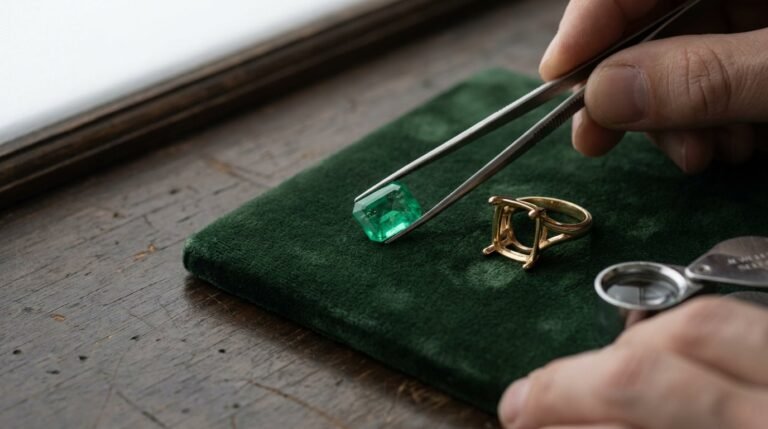
- Choose a setting that balances protection with appearance. A bezel surrounds the gemstone’s edge, while prongs leave more of its surface visible and allow light to enter. For an emerald ring worn often, a lower profile can reduce snagging on clothing. A more exposed design may suit occasional wear when visual openness is the priority.
- Set a total jewelry budget before comparing designs. Account for both the gemstone and the setting, then decide which matters most to you: a particular colour, a more protective mount, or a distinctive design. This keeps the choice focused. Metal options include platinum, gold, silver, and white gold, each with a different look beside green.
- Consider origin as a point of provenance, not a substitute for practical fit. An emerald’s origin may interest a collector, while daily comfort depends on the stone, design, and setting together. Compare how the finished piece sits and feels, then choose a style that complements your usual clothing and suits its intended use.
Laboratory reports and treatment identification
Use a report and clear treatment disclosures to understand a gemstone’s identity, care needs, and record. Natural origin, laboratory creation, and imitation are distinct descriptions.
Identify Gemstone Enhancements and Treatments
Ask which treatments the stone has received and whether they affect its colors, value, or care. Heat treatment is commonly used on tanzanite to bring out vivid blue-violet color, and over 95% of rubies on the market today are heat-treated. A natural gemstone may still be treated, so don’t equate “natural” with “untreated.” During buying, clarify whether a treatment is permanent or creates special care needs.
Review Laboratory Reports and Independent Certification
Read an independent laboratory report for the stone’s identification and treatment details. A report can help establish what the gemstone is, but it can’t decide whether its appearance suits your taste. Check that the report describes the same stone you’re selecting, then note any treatment and related care instructions. Under Federal Trade Commission guidelines, treatments that are not permanent, create special care requirements, or affect value must be disclosed.
Ask About Natural, Synthetic, or Imitation Gems
Ask directly whether the stone is natural, synthetic, or imitation, and look for a report that supports its identity. A natural gem formed in the earth; a synthetic gem is created in a laboratory, while an imitation only resembles another stone. Compare the description with the report and understand what each listed treatment means for care. If an amethyst or ruby is described as untreated, look for that statement in the documentation.
Choosing a gemstone based on its purpose
- Name the purpose before comparing stones. A ring for everyday wear, a gift marking an occasion, and a collector’s purchase each call for different priorities. Write down what matters most, such as comfort, personal meaning, or visual distinction. This intention gives you a useful starting point for how to choose a natural gemstone, rather than letting carat weight or rarity decide alone.
- Choose a colour that carries meaning for you. With an emerald, consider whether its green feels vivid and pleasing in the settings where you’ll see it. Compare hue and saturation in daylight, then notice whether you prefer a bright appearance or a deeper tone. The colour that feels most resonant may make the stone more meaningful than a fashionable choice.
- Separate symbolic associations from proven properties. Ruby, for example, is associated in gemstone traditions with the Sun, passion, energy, and ambition. These associations can inform a personal or ceremonial choice, but they don’t establish a physical effect. Treat them as part of the stone’s story, not as a substitute for deciding how to choose a natural gemstone according to your priorities.
- For an everyday piece, let use shape the decision. A ring faces more contact during routine activities than a pendant worn occasionally, so balance appearance with practical wear and care. Diamonds and sapphires are often considered suitable for everyday jewelry because of their hardness. A more delicate stone may be better suited to occasional wear and a protective setting.
- For a collection, define what makes a stone worth keeping to you. You might value distinctive colour, natural character, or a connection to a place or period. Precious status alone doesn’t create personal significance. Compare each stone with your purpose, then consider how to choose a natural gemstone whose appearance and story will continue to hold your attention.
GemsVault: Emeralds
GemsVault offers emeralds for readers ready to compare natural stones by colour, character, and intended purpose. Its selection also includes sapphires, rubies, and rare collector stones, giving you distinct options to explore, whether you’re choosing a personal piece or considering a stone for a collection.
Use the criteria in this guide to focus your selection: observe the stone’s appearance, consider how you’ll wear or appreciate it, and read its report for identity and treatment details. This helps you set clear priorities rather than relying on a single feature. Explore the gemstones at GemsVault to find a stone that fits your preferences.
Choose a Stone That Feels Your Own
A considered choice is one that continues to reward your attention after the occasion has passed. Let your preferences lead, and give yourself time to notice which colour, shape, and character feel most personal. A gemstone needn’t satisfy an abstract ideal; its lasting significance can come from the way it belongs in your life.
As you decide how to choose a natural gemstone, think beyond the moment of purchase. Picture how you’ll wear, display, or remember it, and let that purpose guide your final selection. A clear sense of what matters to you makes the decision more individual and assured.
When you’re ready to explore stones with that intention in mind, visit GemsVault’s gemstone selection. Take your time, trust your considered preferences, and choose a stone whose beauty feels meaningful to you.
Frequently Asked Questions
What gemstone treatments should buyers know about?
Common treatments include heating, dyeing, and irradiation, each used to alter or enhance a stone’s appearance. Find out which process was applied and whether it changes cleaning or storage needs. For example, heat treatment can intensify tanzanite’s blue-violet colour, while dyed stones may need particular care. Treatment information helps you understand the gem you’re considering, not just its appearance.
What does a gemstone certificate or lab report verify?
A laboratory report can identify a gemstone and describe detected treatments; it doesn’t decide whether the stone suits your taste. Check that its description corresponds to the exact gem you’re viewing, including identifying details such as shape and measurements. A report is most useful when you read its findings directly, rather than relying on a summary or treating the document as a guarantee of beauty.
How do the 4 Cs apply to colored gemstones?
The 4 Cs offer a framework, but colour often carries greater weight in a coloured gemstone than the diamond-focused system suggests. Consider hue, tone, and saturation first, then assess clarity, cut, and carat weight in relation to the individual stone. For example, a lively, well-proportioned sapphire may appeal more than a heavier stone whose colour looks muted under ordinary viewing conditions.
How should you choose a gemstone based on durability and intended use?
Match hardness and setting to the way you’ll wear the piece. A Mohs score of at least 8 is a useful ring guideline; sapphire scores 9, while opal ranges from 5.5 to 6.5. If you favour a softer stone for a ring, plan for gentler wear and a protective design. Pendants may experience less contact than rings during daily activities.
How can you compare gemstone colour, clarity, cut, and carat weight?
Compare stones side by side under consistent daylight, then view each face-up and from different angles. Note the colour, visible inclusions, light return, carat weight, and measurements in millimetres. This makes differences easier to assess without letting one specification dominate. A gemstone’s weight describes how heavy it is, while its face-up dimensions show its visible size.
Which U.S. gemological labs and certifications are reputable?
For a coloured gemstone, look for an independent laboratory report that clearly identifies the stone and records treatment findings. Review the issuing laboratory, unique report number, and description, then compare those details with the gemstone itself. A certification label alone doesn’t reveal what was examined, so read the document instead of relying on the word “certified” in a listing.