
Rare emeralds and the traits that distinguish Colombian stones
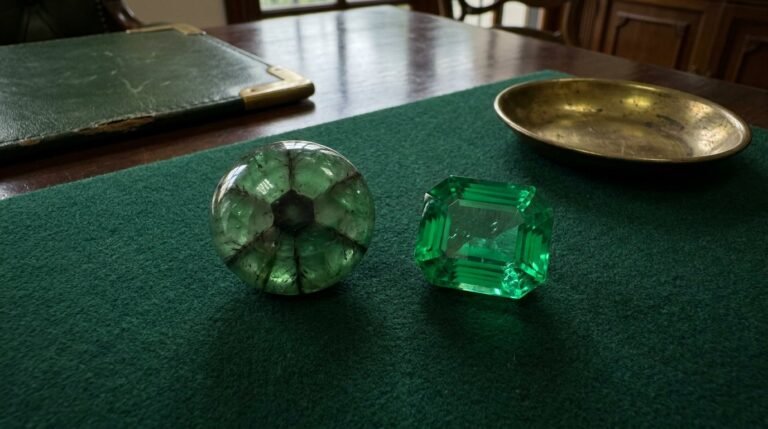
An emerald’s rarest distinction may be its pattern, not its size. A Trapiche emerald is recognized by dark, spoke-like lines that divide its green...
An emerald’s rarest distinction may be its pattern, not its size. A Trapiche emerald is recognized by dark, spoke-like lines that divide its green...
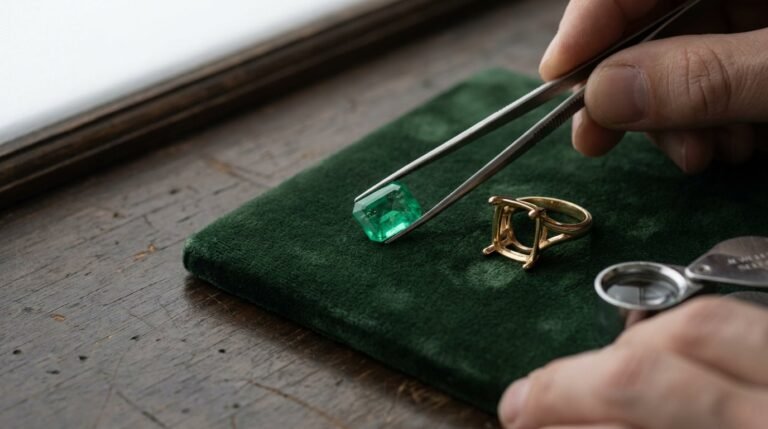
An emerald can be a distinctive choice for an engagement ring or everyday jewelry, provided it’s worn with care. With a hardness of around 7.5-8 on...
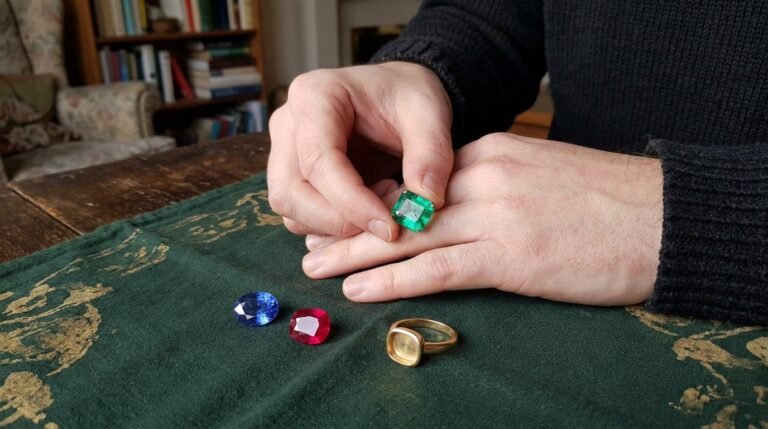
To understand how to choose a natural gemstone, start with colour and clarity, then consider how often you’ll wear it, which setting suits your...
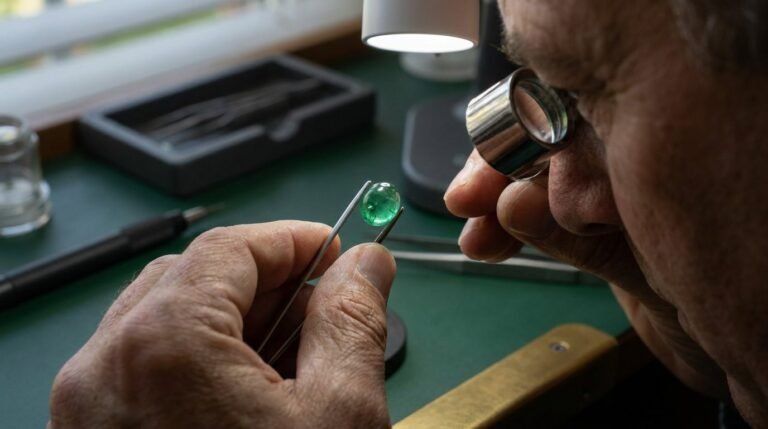
The emerald gemstone has a history reaching back to ancient Egypt: emerald mining in upper Egypt is recorded as early as 2000 BC, and Egyptian mines...
Start With the Exact Gemstone Before comparing prices, confirm the gemstone variety and whether it is natural, laboratory-grown, or an imitation. Similar-looking materials can differ substantially in composition, durability, disclosure requirements, and price. Compare the Main Quality Factors Colour, clarity,…
What Is a Gemstone Treatment? A treatment is a process used to change a gemstone’s appearance or improve characteristics such as colour or clarity. Treatments vary widely and can influence value, durability, repair options, and cleaning requirements. Common Treatment Types…
What Makes Opal Unique? Opal is known for its distinctive play-of-colour, where flashes of spectral colour shift with viewing angle. Not every opal shows play-of-colour; common opal can display attractive body colours without it. Common Opal Types Precious opal may…
What Is an Emerald? Emerald is the green variety of beryl. Its colour is associated with trace chromium and/or vanadium. Emeralds often contain natural inclusions, sometimes described in the trade as a garden, and their appearance varies widely. Colour and…
What Is Sapphire? Sapphire is a variety of corundum best known for blue, but it also occurs in many other colours. Red corundum is classified as ruby. A sapphire’s appearance and value depend on colour, clarity, cut, size, treatment, and…
What Makes a Ruby a Ruby? Ruby is the red variety of corundum. Its colour comes mainly from chromium, while clarity, cut, size, treatments, and market demand influence its appearance and value. A ruby’s beauty is not determined by colour…