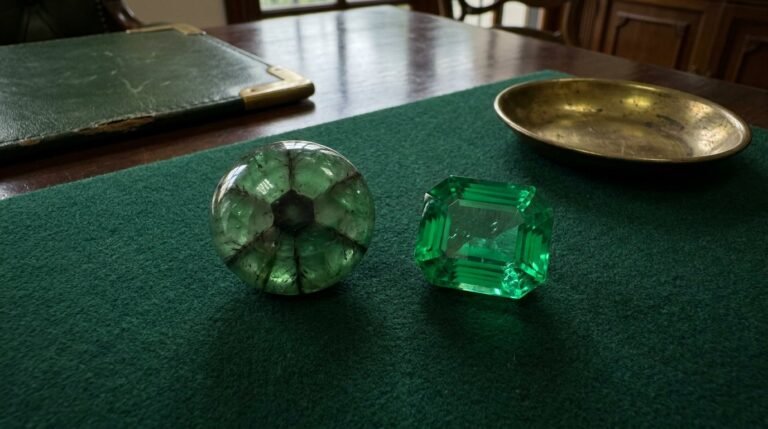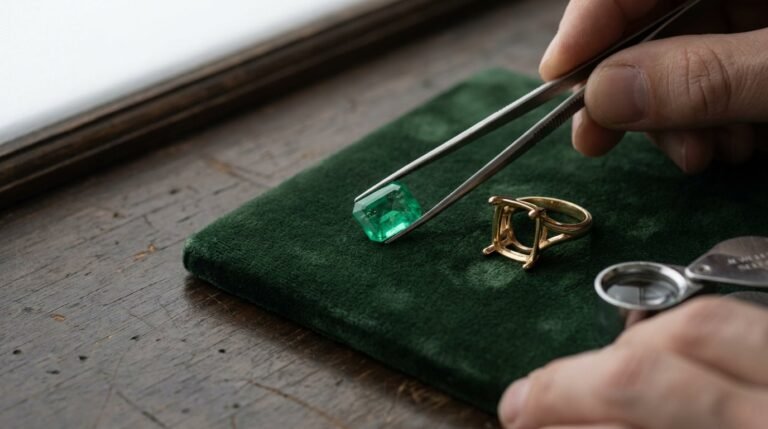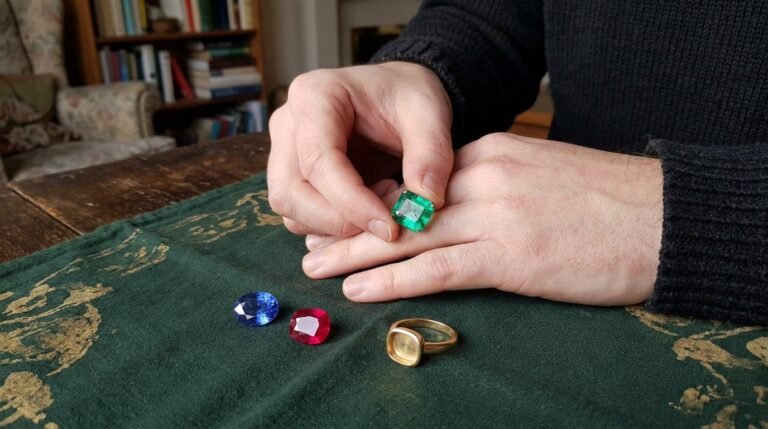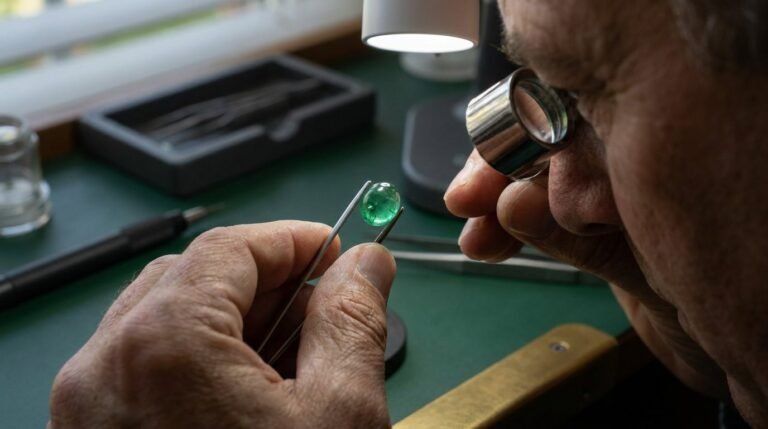


What Is a Gemstone Treatment?
A treatment is a process used to change a gemstone’s appearance or improve characteristics such as colour or clarity. Treatments vary widely and can influence value, durability, repair options, and cleaning requirements.
Common Treatment Types
Heat treatment is used for some corundum and other gems. Fracture filling may improve apparent clarity in certain stones. Dyeing, irradiation, diffusion, impregnation, and coating are other processes used on particular materials. Not every treatment is suitable for every gemstone.
Why Disclosure Matters
Buyers need to know whether a gemstone is treated because the information affects fair comparison and future care. A treated stone is not automatically a poor purchase, but the treatment should be accurately described and reflected in the price.
Questions to Ask a Seller
- What is the gemstone’s identity and origin status?
- Is it natural or laboratory-grown?
- What treatments are known or suspected?
- How stable is the treatment?
- Are there cleaning or repair restrictions?
- Is independent documentation available?
Laboratory Reports
A reputable gemological laboratory may identify a gem and report evidence of treatments within the limits of its testing. Read the report carefully and confirm that it corresponds to the item. A laboratory report is not necessarily an appraisal or guarantee of market value.
Care After Treatment
Some treatments are sensitive to heat, solvents, chemicals, or pressure. Before cleaning, resizing, or repairing jewellery, tell the jeweller what is known about the stone and its treatment.
Frequently Asked Questions
Are treated gemstones fake?
Not necessarily. Treatment changes or enhances a gemstone but does not automatically make it an imitation. Accurate disclosure is essential.
Can I identify treatment at home?
Not reliably in every case. Seek qualified gemological advice when treatment status matters.