

Start With the Exact Gemstone
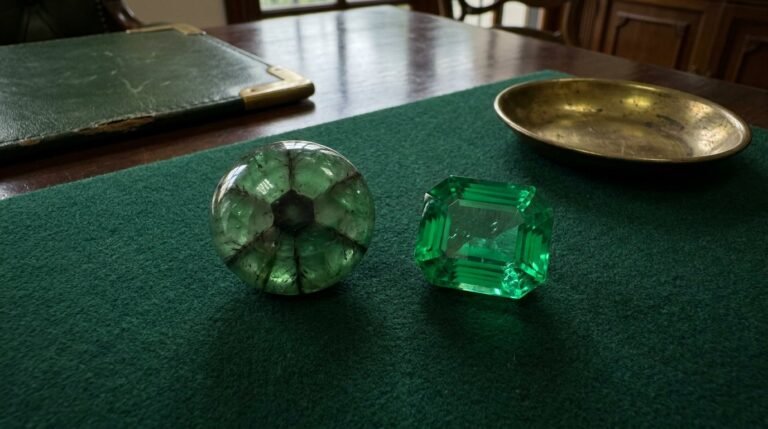
Before comparing prices, confirm the gemstone variety and whether it is natural, laboratory-grown, or an imitation. Similar-looking materials can differ substantially in composition, durability, disclosure requirements, and price.
Compare the Main Quality Factors
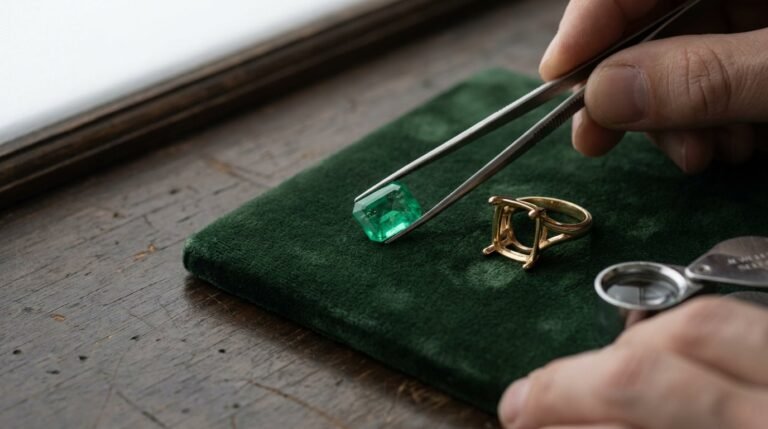
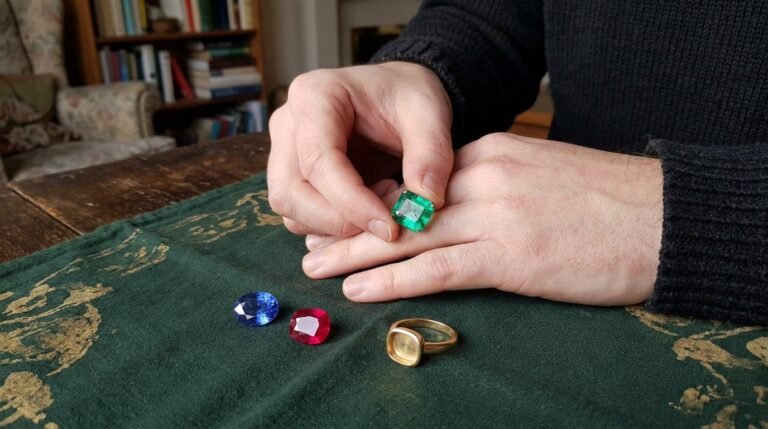
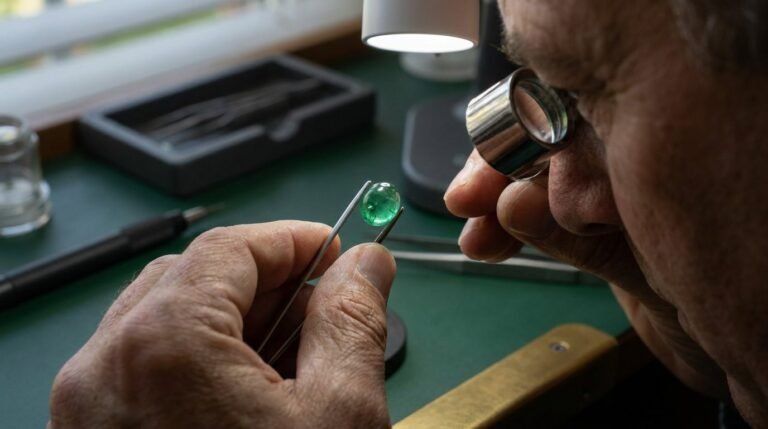
Colour, clarity, cut, size, and overall appearance all matter, but their importance varies by gemstone. Inspect the stone in neutral and everyday lighting. Look at how the cut distributes colour and light, and whether visible inclusions affect beauty or durability.
Ask About Treatments
Request disclosure of known treatments and any care restrictions. Treatments may be common and acceptable, but they should not be hidden from the buyer.
Check Documentation
For higher-value stones, consider an independent gemological report. Verify the report number with the issuing laboratory and make sure the report describes the stone you are buying. Do not confuse identification reports with appraisals or resale guarantees.
Assess the Seller
Look for clear product descriptions, transparent photographs, realistic claims, secure payment options, and a written return policy. Be cautious of pressure tactics, unexplained discounts, or claims of guaranteed investment returns.
Questions Before You Pay
- What exactly is the stone?
- Is it natural, laboratory-grown, or an imitation?
- What treatments are disclosed?
- What documentation is included?
- How should the stone be cared for?
- What are the return conditions?
Final Advice
Compare like with like and take time to verify claims. The right purchase is one whose identity, condition, treatment status, price, and care requirements are clearly understood.
Frequently Asked Questions
Is the biggest gemstone always the best value?
No. Colour, cut, clarity, treatments, durability, and demand can matter as much as size.
Should I trust a certificate photo alone?
Check the report number and details with the issuing laboratory, and confirm it corresponds to the actual stone.