

What Is an Emerald?
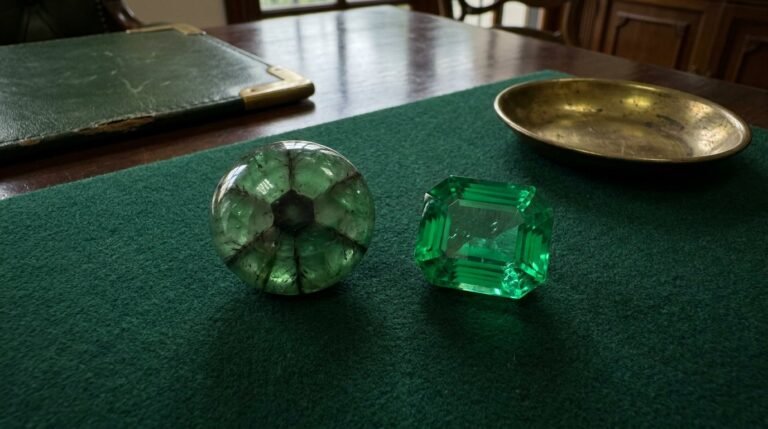
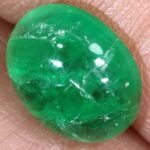
Emerald is the green variety of beryl. Its colour is associated with trace chromium and/or vanadium. Emeralds often contain natural inclusions, sometimes described in the trade as a garden, and their appearance varies widely.
Colour and Clarity
Colour is a major factor in emerald appeal, but saturation, tone, transparency, cut, and size also matter. Inclusions are common, so judge whether they distract from the stone’s beauty or affect durability rather than expecting every emerald to be flawless.
Oil and Other Treatments
Many emeralds are treated to improve the appearance of fractures, often with oils or resins. Ask the seller to disclose known treatments and their degree where available. Treatments may affect cleaning, repair, and long-term care.
Choosing a Cut
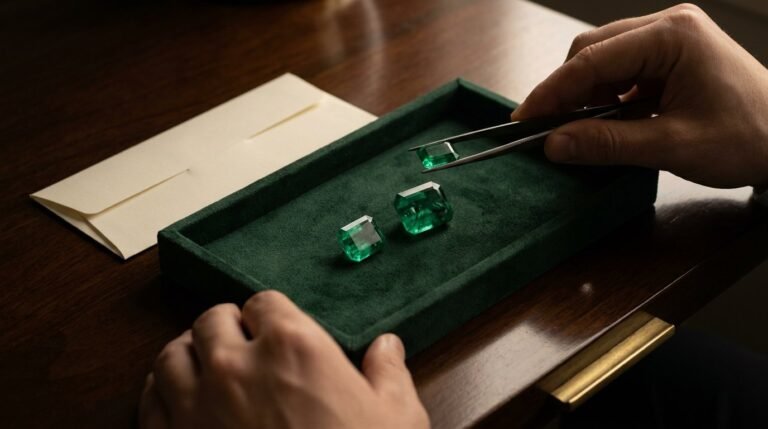
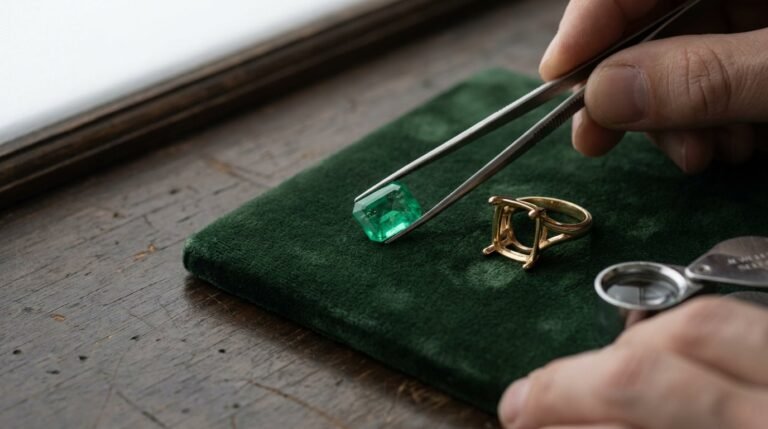
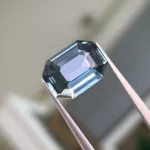
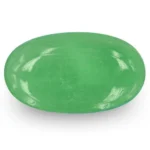
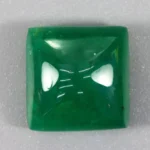
The emerald cut is popular because its step facets can showcase colour, but emeralds are also cut in oval, round, and other shapes. A secure setting and thoughtful cut help protect a stone that may have surface-reaching fractures.
Buying an Emerald
- Ask whether the stone is natural or laboratory-grown.
- Request treatment disclosure.
- Consider an independent laboratory report for valuable stones.
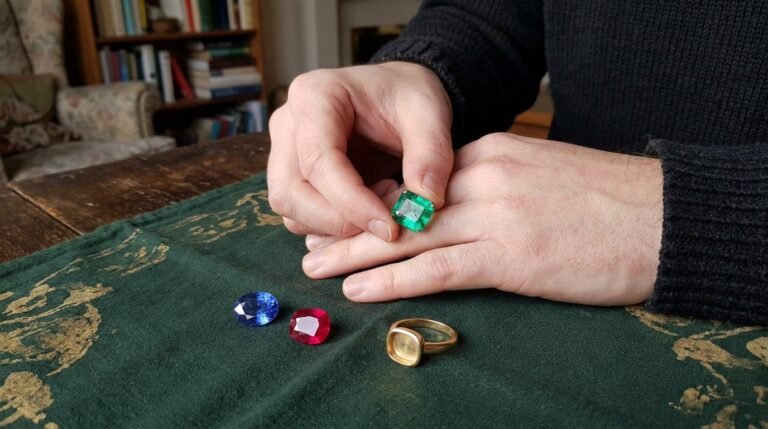
- Inspect the stone in different lighting.
- Compare quality and price without relying on origin claims alone.
Emerald Care
Emeralds can be sensitive to heat, pressure, and some cleaning methods, especially when treated. Avoid ultrasonic and steam cleaners unless a qualified specialist confirms they are safe. Ask a jeweller for care advice specific to your stone.
Frequently Asked Questions
Are inclusions normal in emeralds?
Yes, inclusions are common, but their effect on appearance and durability varies.
Can every emerald be cleaned with soap and water?
Not necessarily. Treatment and setting matter, so confirm the safest method first.