

What Is Sapphire?
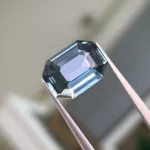
Sapphire is a variety of corundum best known for blue, but it also occurs in many other colours. Red corundum is classified as ruby. A sapphire’s appearance and value depend on colour, clarity, cut, size, treatment, and market conditions.
Choose Colour Carefully
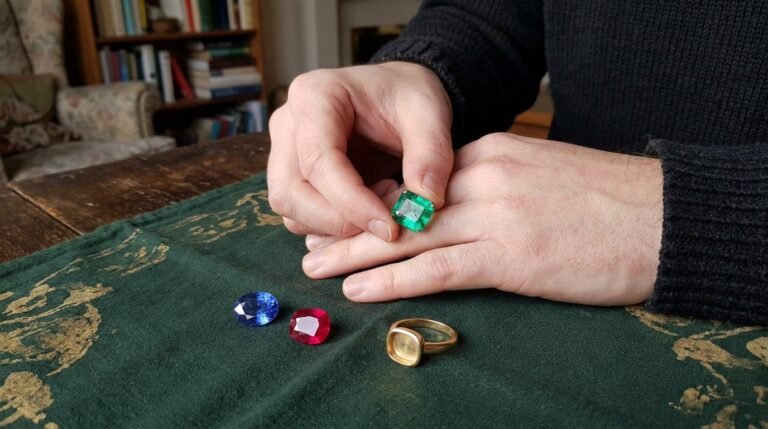
Blue sapphires range from light to deep blue, and other colours include yellow, pink, green, and colourless. Compare stones in consistent lighting and consider whether the colour looks attractive face-up rather than judging only from a seller’s description.
Clarity and Cut
Natural sapphires commonly have inclusions, but visibility and placement matter. A balanced cut can improve brightness and colour distribution. Inclusions are not, by themselves, proof of natural origin.
Understand Treatments
Heat treatment is widely used to improve sapphire colour or clarity. Other treatments may affect value and care requirements. Ask for written disclosure and consider an independent gem laboratory report for higher-value purchases.
Does Origin Affect Value?
Origin can influence collector interest, but geographic origin should be stated only when supported by suitable evidence. Do not rely on origin claims alone when assessing quality or price.
Buying Checklist
- Confirm sapphire identity and whether it is natural or laboratory-grown.
- Ask about all known treatments.
- Compare colour, clarity, cut, and size.
- Review independent documentation for important purchases.
- Check return terms and seller reputation.
Care and Maintenance
Use a gentle cleaning method only after confirming the stone’s treatment and setting. Ask a jeweller before ultrasonic or steam cleaning.
Frequently Asked Questions
Are sapphires only blue?
No. Sapphire occurs in many colours, while red corundum is called ruby.
Does a certificate guarantee value?
A laboratory report can help identify a stone and disclose findings, but it is not automatically an appraisal or price guarantee.